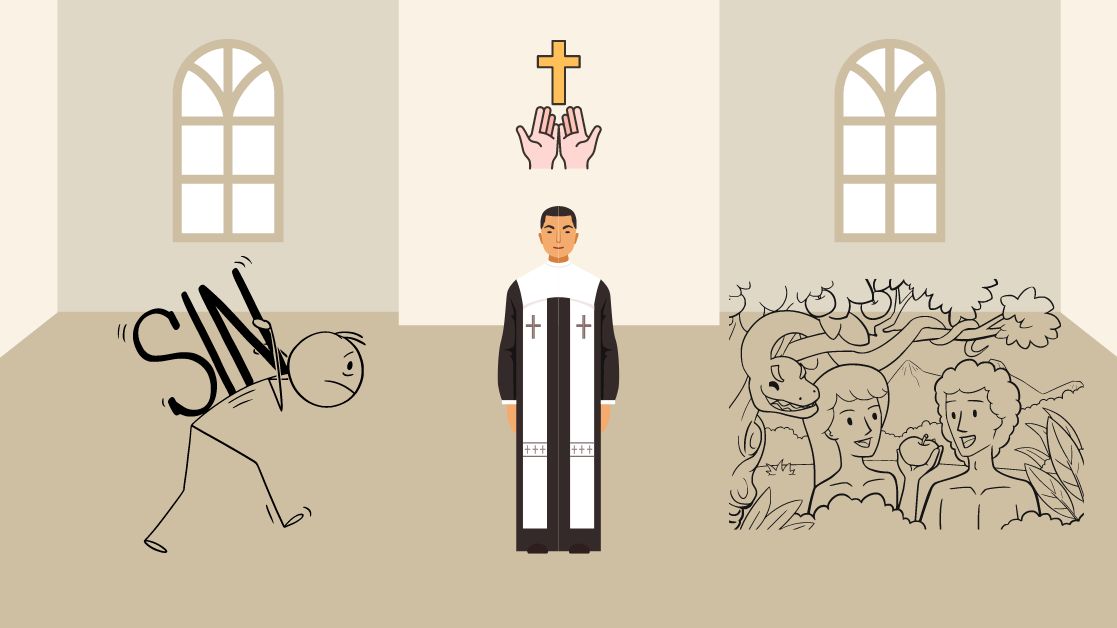
Short answer: The Bible condemns supporting, condoning or encouraging sin. It calls Christians to love sinners, forgive the repentant, and speak the truth gently, but never to cheer on what God calls evil or to lead others into it. Tolerance in the sense of patience with people is good. Approval of sin itself is not.
In This Article
This question is more pressing now than it used to be. Many Christians feel pulled between two worries: that they will be harsh and unloving, or that they will look the other way and call wrong things right. The Bible does not leave us guessing. It asks for love and truth together.
Here I look at what it means to support sin, what Paul says about those who approve of it, the warning about leading others astray, and how a believer can be loving without being complicit.
What Does The Bible Say About Supporting Or Condoning Sin?
We are all sinners (Romans 3:23), and nobody gets through life without failing. But there is a difference between struggling with sin and encouraging it. To condone sin is to excuse it, to treat it as acceptable or to applaud it. The Bible never invites us to do that.
Sin brings harm, brokenness and distance from God, which is why Scripture speaks so strongly against it. Take the list in Proverbs 6:16-19 of things the Lord hates. Psalm 5:5 and Psalm 11:5 speak of God's hatred for wrongdoing and violence. If God opposes these things, then cheering them on puts us on the wrong side.
Proverbs makes the same point about justice. It says that acquitting the guilty and condemning the innocent are both detestable to the Lord.
the Lord detests them both
Proverbs 17:15 (NIV)
Calling wrong "right" is no small matter to God. See James 4:17 too: if anyone knows the good they ought to do and does not do it, it is sin for them. Staying silent when love requires a word can itself fall short, a theme I explore in sins of omission.
What Does Paul Say About Approving Of Sin?
Romans 1 describes a society that turns away from God. At the end of the chapter, Paul reaches a final stage of the downward path.
they not only continue to do these very things but also approve of those who practice them
Romans 1:32 (NIV)
Paul says doing wrong is bad, but cheering others on in it is worse in a sense, because it spreads the sin and removes the moral check. That passage, Romans 1:18-32, describes the consequences of deliberately rejecting God. It is a sobering reading. When we say it is fine because everyone does it, or ask who we are to say, we are drifting toward that last step.
In practice, supporting sin can look like many things: laughing at cruel jokes, helping a friend cover a lie, praising a lifestyle God calls wrong in order to be liked, or staying quiet to keep the peace. It rarely looks dramatic. It usually looks polite.
Is Leading Others Into Sin Worse?
Jesus is very strong on this. He speaks of those who cause the vulnerable to stumble.
it would be better for them to have a large millstone hung around their neck and to be drowned in the depths of the sea
Matthew 18:6 (NIV)
The setting is a warning about causing little ones who believe in him to stumble. Verse 7 adds a woe on the world because of stumbling blocks, and on the person through whom they come. Whether the little ones are literal children or humble believers, Jesus treats leading others into sin or away from faith as grave. I have gone into this more in Is It Wrong To Cause Others To Sin?
It follows that how we live matters to those watching us. A parent, a leader, an older believer, a friend: each of us influences someone. The question to ask is not only whether this is sin for me, but where my example is leading the people around me.
How Do We Confront Sin Without Judging?
Here is where many believers get stuck. Jesus said he did not come to condemn.
For I did not come to judge the world, but to save the world.
John 12:47 (NIV)
He is the Saviour, and he went to sinners. But he never told anyone their sin was fine. To the woman caught in adultery he gave grace and then told her to leave her life of sin (John 8:11). That is the pattern: mercy, and then a call to change. You can read more in Without Sin, Cast The First Stone and Is Judging A Sin?
Paul gives practical direction. We are told to have nothing to do with the fruitless deeds of darkness but to expose them (Ephesians 5:11). And when a fellow believer is caught in sin, the method matters.
you who live by the Spirit should restore that person gently
Galatians 6:1 (NIV)
The goal is restoration, not winning an argument. The tone is gentle, and Paul adds a warning to watch yourself, because you may be tempted too. Humility and honesty go together. The familiar line is hate the sin, love the sinner, and I try to unpack what the Bible does and does not say about that phrase.
Can You Willfully Sin And Still Go To Heaven?
This is the question underneath for many people. There is a serious warning here.
If we deliberately keep on sinning after we have received the knowledge of the truth, no sacrifice for sins is left
Hebrews 10:26 (NIV)
The writer is warning those who treat the cross as a licence, who know the truth and keep sinning with no concern at all. A person who continues in unrepentant sin while claiming Christ should be concerned about whether their faith is real. At the same time, the Bible is clear that a true believer who stumbles is forgiven when they confess (1 John 1:9). 1 John 2:1 says that if anybody does sin, we have an advocate with the Father, Jesus Christ the Righteous One. Salvation is by grace (Ephesians 2:8-9), and grace changes a person. If someone has no desire to turn from sin at all, I would gently question what they are trusting. For the believer's side of this, see sin after salvation.
If you have supported sin in the past, perhaps by encouraging a friend or covering something up, it is not too late. Repent, ask forgiveness, and change course. The way to do that is in how to repent.
Key Bible Verses About Supporting Sin
- Romans 1:32: those who approve of wrongdoing share in the guilt of it.
- Proverbs 17:15: the Lord detests both acquitting the guilty and condemning the innocent.
- James 4:17: knowing the good and not doing it is sin.
- Matthew 18:6: a strong warning against causing believers to stumble.
- Ephesians 5:11: have nothing to do with deeds of darkness, but expose them.
- Galatians 6:1: restore someone caught in sin gently, and watch yourself.
- John 12:47: Jesus came to save the world, not to condemn it.
- Hebrews 10:26: a warning for those who deliberately keep on sinning.
Frequently Asked Questions
What does James 4:17 say?
It says that anyone who knows the good they ought to do and does not do it sins. That means sin includes failing to act, not only wrong deeds. It is often applied to staying silent when love or justice requires a word.
What does the Bible say about condoning sin?
Romans 1:32 describes people who approve of others doing wrong, and Proverbs 17:15 says God detests calling the guilty innocent. Scripture asks us to love people while refusing to excuse what God calls evil.
What does the Bible say about tolerating sin?
We are to be patient and forgiving with people, but not approving of sin. Paul tells believers to expose the deeds of darkness and to restore a fallen brother or sister gently. Read Is Judging A Sin? for balance.
Can you willfully sin and still go to heaven?
Hebrews 10:26 warns people who deliberately keep sinning, and I take it seriously. Yet believers who stumble and repent are forgiven by Christ. If there is no desire at all to turn from sin, examine whether faith is real. See sin after salvation.
What does John 12:47 say?
Jesus says he did not come to judge the world but to save it. It shows his mission was rescue, and it is why Christians confront sin with the goal of restoration, not condemnation.