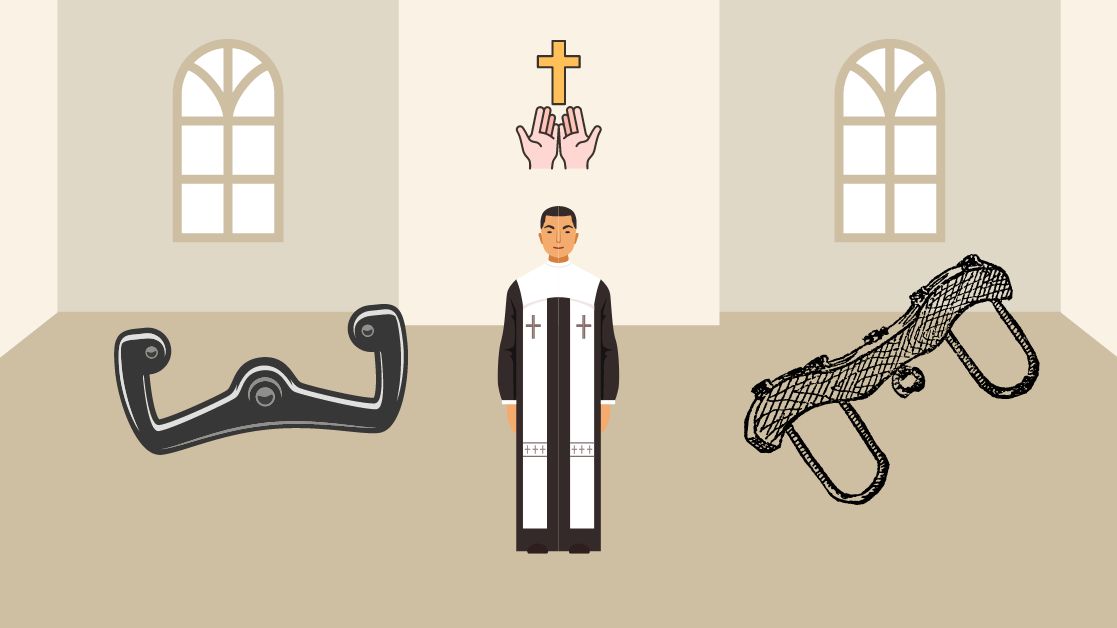
Short answer: In the Bible, a yoke is a wooden beam laid across the necks of working animals so they can pull together. It became a picture of service, burden and partnership. Scripture uses it for oppression (an iron yoke), for the burden of a ruler's demands, for the unity or mismatch of a relationship (being unequally yoked), and, most beautifully, for following Jesus, whose yoke is easy and whose burden is light.
In This Article
It is an odd word to our ears. Hardly anyone today has plowed a field behind a pair of oxen, and yet the yoke turns up across the Old and New Testaments, and people keep asking about it. Some are wondering about a verse they saw on a card. Others have been told they are "unequally yoked" and want to know what that means for a boyfriend, a spouse or a business partner.
People in the pews kept asking me about this, often with a heavy heart. The picture of the yoke carries real meaning in both the Old Testament and the New Testament, and the more you learn about it, the more clearly it speaks. This article starts with the farm tool and moves to what Jesus meant.
What Was A Yoke In Bible Times?
A yoke was a wooden frame or beam, usually carved to fit, placed across the necks or shoulders of two animals, typically oxen, so that together they could pull a plow or a cart. In ancient farming societies it was essential equipment. It stood for shared labor and partnership. Two animals that were well matched could do far more than one alone.
Bible dictionaries note that the word was used both of this farm tool and, very often, as a metaphor for subjection. Smith's Bible Dictionary describes the yoke as a well-known agricultural implement that is frequently used figuratively for servitude. Easton's Bible Dictionary describes it similarly, as a device fitted around the necks of oxen to attach the traces, symbolizing both service and the bearing of a load. The Hebrew word is ol, and the Greek is zygos.
A Yoke Of Oppression
When rulers or enemies were harsh, the Bible calls their rule a yoke. After Solomon died, the people of Israel came to his son Rehoboam asking him to lighten the load (1 Kings 12:4). He answered them roughly.
My father laid on you a heavy yoke; I will make it even heavier.
1 Kings 12:11 (NIV)
That harshness split the kingdom. An "iron yoke" is the worst version of the image, a crushing, unbreakable bondage. The prophet Jeremiah used it when God said that a wooden yoke would be replaced by one of iron because of the people's rebellion.
You have broken a wooden yoke, but in its place you will get a yoke of iron.
Jeremiah 28:13 (NIV)
What Did Jesus Mean By "My Yoke Is Easy"?
This is the best-loved yoke passage in the Bible, and it comes at a moment of great tenderness.
Take my yoke upon you and learn from me, for I am gentle and humble in heart, and you will find rest for your souls. For my yoke is easy and my burden is light.
Matthew 11:29-30 (NIV)
A few things stand out when you read the full passage, Matthew 11:28-30.
- A yoke means submission, and Jesus does not hide that. He says "take my yoke," which means placing ourselves under His authority and teaching. Discipleship is not a hobby. It means following Him.
- It is a shared yoke. A yoke is made for two. The picture suggests that we are not pulling alone. The Lord is alongside us, taking the weight with us as we walk in step with Him.
- It is easy, not because it costs nothing, but because He is gentle. The point of contrast is the heavy load of religious rules the people were carrying, and the weight of sin that no effort can lift. Jesus offers rest from trying to earn God's favor.
- It involves learning. In first-century Judaism, a rabbi's teaching was often called his yoke. To take Jesus' yoke was to become His student, to learn how to live from Him.
The yoke of Christ is a real obligation, but it is a light one because it is borne in love and under a kind master. If you are carrying shame over your failings, my page on whether God forgives all sins speaks to that burden.
The Yoke Of Legalism
Paul used the same image from the other side, warning believers against going back to a yoke that Christ had removed.
It is for freedom that Christ has set us free. Stand firm, then, and do not let yourselves be burdened again by a yoke of slavery.
Galatians 5:1 (NIV)
In the letter to the Galatians, the yoke of slavery is the attempt to earn right standing with God through the demands of the Mosaic law. Paul says Christ has set us free from that. Jesus' yoke and the yoke of legalism are opposites, and you cannot wear both.
What Does Unequally Yoked Mean?
Here is the verse that people often have in mind.
Do not be yoked together with unbelievers. For what do righteousness and wickedness have in common? Or what fellowship can light have with darkness?
2 Corinthians 6:14 (NIV)
The image behind it comes from the law of Moses, which said not to plow with an ox and a donkey yoked together (Deuteronomy 22:10). Two animals of different strength and temperament pull in different directions and hurt each other. Paul applies that to partnerships between believers and unbelievers in which the core of the relationship pulls them apart.
Is This Only About Marriage?
Marriage is the most common application, and it is a fair one, since marriage is the closest yoking there is. A believer who marries someone who does not share their faith faces a lasting strain on worship, parenting, money and priorities. If you are dating, that is a reason to take faith seriously in a relationship from the start; I touch on it in is dating a sin. But the verse speaks more widely. It also covers close business partnerships and any binding alliance where Christian conviction would be constantly compromised.
Can Two Christians Be Unequally Yoked?
People ask whether two believers can be unequally yoked, for instance if one is mature and the other is not, or if they come from different traditions. In the strict sense of 2 Corinthians 6:14, the contrast is between believer and unbeliever, not between two Christians at different stages. Still, two believers can be badly mismatched in practice if one is committed and the other is drifting, or if their convictions about the faith differ greatly. The wise course is to pray, talk honestly, seek counsel from a pastor, and weigh whether you share the direction in which you want to pull.
One more caution. Paul does not tell a believer who is already married to an unbeliever to leave. Elsewhere (1 Corinthians 7:12-14) he urges them to stay and live faithfully. This verse is about entering a yoke, not about abandoning one.
How Is A Yoke Broken In Scripture?
Breaking a yoke is the Bible's picture of liberation. God promises it again and again to His people. Here is the first of many.
I broke the bars of your yoke and enabled you to walk with heads held high.
Leviticus 26:13 (NIV)
God broke the yoke of Egypt when He brought Israel out of slavery. Later, the prophets promised that the burden of oppressors would be lifted, as in Isaiah 10:27. Isaiah 58:6 describes the kind of fasting God desires, one that frees the oppressed and breaks every yoke.
People often ask how to break a yoke spiritually, and what destroys the yoke in the Bible. The Scripture's answer is that God breaks it, not our own willpower. When a yoke is a sin that enslaves, the way out is to confess, repent and receive Christ's help; see how to repent and how we can overcome sins. When the yoke is an unjust situation, we pray and, where we can, act with justice and mercy. When the yoke is the old burden of trying to earn salvation, we lay it down and take Christ's yoke instead.
A related verse often quoted asks what it means that "you will break his yoke from your neck." That promise to Esau in Genesis 27 describes the day his descendants would throw off the rule of Jacob's line, and it was fulfilled when Edom later rebelled. It is a statement about national history, not a spiritual formula.
A yoke can also mark a new beginning. When Elisha left his farm to follow Elijah, he was plowing with twelve yoke of oxen. He slaughtered a pair, burned the equipment and followed the prophet (1 Kings 19:19-21). He broke the yoke of his old life to take up a new calling.
Key Bible Verses About The Yoke
- Matthew 11:28-30: Jesus invites the weary to take His easy yoke and find rest.
- 2 Corinthians 6:14: Believers are not to be yoked together with unbelievers.
- Galatians 5:1: Christ sets us free; do not return to a yoke of slavery.
- 1 Kings 12:11: Rehoboam threatens a heavier yoke.
- Leviticus 26:13: God broke the bars of Israel's yoke.
- Isaiah 58:6: True fasting frees the oppressed and breaks every yoke.
- Deuteronomy 22:10: Do not plow with an ox and a donkey yoked together.
Bottom Line
The yoke in the Bible has several meanings. In practical terms it is a farm tool joining two animals. As a metaphor it can mean oppression and bondage, as the Israelites knew in Egypt, or responsibility and duty. In marriage and partnerships it points to the importance of sharing the same faith. Above all, Jesus speaks of His easy yoke, which means following Him gives rest, not weariness. The Bible also describes the breaking of yokes as the liberation of God's people. Learning these meanings teaches us about faith, freedom and how to live. I encourage you to think about the burdens you carry and to take up the teachings of Jesus, who gives rest and purpose.
Frequently Asked Questions
What did Jesus mean by yoke?
In Matthew 11:28-30, Jesus invites tired people to take His yoke, meaning to submit to His teaching and learn from Him. It is easy because He is gentle and shares the load, in contrast to the burden of religious rules and sin.
What destroys the yoke in the Bible?
God does. He broke the yoke of slavery in Egypt, and the prophets promised that He would lift the burden of oppressors. For the believer, Christ frees us from the yoke of sin and of trying to earn salvation.
How do you break a yoke spiritually?
Bring the burden to God. If it is sin, confess and repent and ask for His help. If it is guilt or legalism, rest on Christ's finished work. Prayer, Scripture and the support of a church help you stay free.
Can two Christians be unequally yoked?
The verse in 2 Corinthians 6:14 contrasts believers with unbelievers. Two Christians can still be badly matched if their commitment or convictions differ widely, so it is wise to pray and seek counsel before binding yourselves together.
What does 'you will break his yoke from your neck' mean?
It comes from the blessing to Esau in Genesis 27. It foretold that his descendants would one day throw off the rule of his brother's line, and it points to national history, not to a personal spiritual formula.