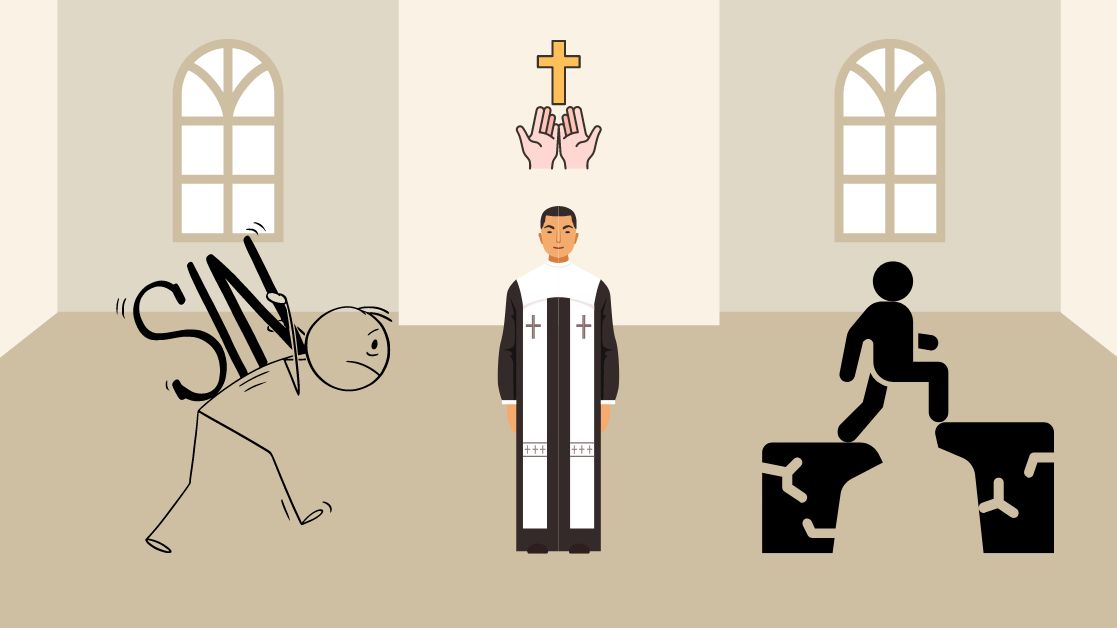
Short answer: We overcome sin by relying on God rather than on willpower alone: resisting temptation with Scripture, confessing and repenting quickly, trusting God's promises, praying, and walking by the Spirit. The Bible is honest that no believer reaches sinless perfection in this life (1 John 1:8), but it is just as clear that we can grow, gradually, into the likeness of Christ.
In This Article
- Can We Ever Completely Overcome Sin?
- How Does Sin Actually Work, And Where Does It Start?
- How Did Jesus Resist Temptation?
- What Are Ten Ways To Stop Sinning?
- Why Do Repentance And Confession Matter So Much?
- How Do Faith And Trust In God Help Us Overcome Sin?
- What Is The Biggest Sin, And Is Saying "Oh My God" One Of Them?
- Key Bible Verses About Overcoming Sin
Most people who ask this question are not asking out of curiosity. They keep doing something they hate, and they are tired. Maybe they have prayed about it a hundred times. If that is you, I want you to know the Bible has real help to offer, and it starts with an honest admission about how hard this is.
This article walks through what Scripture teaches about how sin works, what to do when you are tempted, how to get up after you fall, and where the practical steps come from. I will also answer a few of the quick questions people tend to search alongside this one.
Can We Ever Completely Overcome Sin?
Not in this life, and the Bible says so plainly:
If we claim to be without sin, we deceive ourselves and the truth is not in us.
1 John 1:8 (NIV)
That is not permission to give up. It is a reason to keep our expectations honest. We are called to overcome, we are meant to make progress, and God is at work in us, but the finish line is not in this life. Victory over a particular sin may come quickly for one person and slowly for another. What matters is direction. Are you closer to Christ than you were a year ago? Are you quicker to repent? Is the grip loosening?
If you want the bigger picture of what sin actually is, start with What Is Sin?. If you are worried about falling after you have already trusted Christ, read what the Bible says about sin after salvation.
How Does Sin Actually Work, And Where Does It Start?
People sometimes ask about "the seven steps of sin." The Bible does not give a numbered list under that name, but it does describe how sin grows. James traces it from a desire to a death:
but each person is tempted when they are dragged away by their own evil desire and enticed. Then, after desire has conceived, it gives birth to sin; and sin, when it is full-grown, gives birth to death.
James 1:14-15 (NIV)
Notice the progression: a desire, then being enticed, then the desire conceives, then sin is born, and left alone it grows to full size. That tells us something useful. The best time to deal with sin is early, at the stage of desire and thought, long before action. It is easier to turn away from a glance than from a habit.
It also matters that temptation itself is not sin. Being tempted is something every human experiences. It becomes sin when we give in and act on it. Jesus himself was tempted and did not sin.
How Did Jesus Resist Temptation?
In Matthew 4, the devil tempted Jesus in the wilderness three times. Each time Jesus answered with Scripture, saying "It is written" (see Matthew 4:5-9). He did not argue from feeling or from clever reasoning. He answered from the Word of God.
That is a practical lesson. If you do not know Scripture, you will be defending yourself with nothing when temptation comes. Memorize verses that speak to your particular struggle. Read the Bible regularly. If you do not know where to begin, where to start reading the Bible will help.
Paul also writes that God is faithful and will provide a way out of temptation (1 Corinthians 10:13). James 1:12-15 adds that the person who perseveres under trial is blessed and will receive the crown of life.
What Are Ten Ways To Stop Sinning?
None of these is a technique that works apart from God. They are the means he uses. Here are ten the Bible points us toward.
- Know your triggers. The Bible repeatedly tells us to flee what tempts us. Be honest about where you stumble.
- Answer temptation with Scripture. Follow Jesus' example in Matthew 4.
- Pray, and pray early. Paul includes prayer in his passage on spiritual battle (Ephesians 6:18), and Jesus gave promises about asking in Matthew 7:7-11.
- Walk by the Spirit. You cannot out-muscle the flesh by your own strength.
- Confess quickly. Do not let shame make you hide.
- Repent, which means turn. Sorrow without a change of direction is not repentance. See how to repent.
- Bring in other believers. The Bible expects us to carry each other's burdens and confess to one another (more here).
- Replace, do not just remove. Fill the empty space with something good, such as service, study or fellowship.
- Trust God's promises over your feelings. Feelings of defeat are not the verdict.
- Keep going. A failure is a reason to get up, not to quit.
So I say, walk by the Spirit, and you will not gratify the desires of the flesh.
Galatians 5:16 (NIV)
For habits that have dug in deeply, our article on how the Bible addresses habitual sin goes further.
Why Do Repentance And Confession Matter So Much?
Repentance means turning from sin toward God: recognizing what we did, grieving over it honestly, and changing course. Confession is telling God the truth about it and asking for his mercy. Scripture is full of examples.
King David committed adultery with Bathsheba and had her husband killed. When the prophet Nathan confronted him, David broke down and wrote Psalm 51. In Luke 15, Jesus tells of a son who squandered his inheritance, hit bottom, and came home to a father who ran to meet him.
Whoever conceals their sins does not prosper, but the one who confesses and renounces them finds mercy.
Proverbs 28:13 (NIV)
If we confess our sins, he is faithful and just and will forgive us our sins and purify us from all unrighteousness.
1 John 1:9 (NIV)
Notice that God is described as faithful and just in forgiving us. He does not forgive reluctantly. If you are afraid you have gone too far, look at Does God Forgive All Sins?.
How Do Faith And Trust In God Help Us Overcome Sin?
Abraham left his homeland without knowing where he was going (Hebrews 11:8). Shadrach, Meshach and Abednego refused to bow to the king's image and told him that the God they served was able to deliver them (Daniel 3:17). Their faith was not a feeling. It was trust that changed what they did.
Trusting God means surrendering our will to him and believing he knows what is best, even when sin looks more attractive than obedience:
Trust in the Lord with all your heart and lean not on your own understanding;
Proverbs 3:5 (NIV)
Prayer is where that trust shows up day to day. God has given beautiful promises about it, including Luke 18:1-8 and 1 John 5:14-15.
What Is The Biggest Sin, And Is Saying "Oh My God" One Of Them?
People often search for the worst sin, thinking that if they can rank their struggles, they will know how worried to be. The Bible does teach that some sins have heavier consequences, and the question is explored in the greatest sin in the Bible and Are All Sins Equal?. But the answer to every sin is the same: confess it, turn from it, and trust the cross.
On the smaller everyday question, the command is about the Lord's name:
You shall not misuse the name of the Lord your God, for the Lord will not hold anyone guiltless who misuses his name.
Exodus 20:7 (NIV)
Whether a casual "Oh my God" falls under that is covered in its own article. I mention it here because careless speech is one of the places where many believers can see quick progress.
Key Bible Verses About Overcoming Sin
- 1 John 1:8 (NIV): no believer is ever without sin in this life.
- 1 John 1:9 (NIV): confession brings forgiveness and cleansing.
- James 1:14-15 (NIV): how desire grows into sin.
- Matthew 4:1-11 (NIV): Jesus answers temptation with Scripture.
- Galatians 5:16 (NIV): walk by the Spirit.
- Proverbs 28:13 (NIV): the one who confesses and renounces finds mercy.
- Proverbs 3:5-6 (NIV): trust the Lord with all your heart.
Frequently Asked Questions
What are 10 ways to stop sinning?
Know your triggers, answer temptation with Scripture, pray early, walk by the Spirit, confess quickly, repent by turning, ask other believers for help, replace the habit with something good, trust God's promises, and keep going after a failure. Each of these depends on God's help rather than willpower alone.
What are the 7 steps of sin?
The Bible does not number seven steps, but James 1:14-15 shows the pattern: desire, being enticed, desire conceiving, sin being born, sin growing full-grown, and death. The best time to stop is at the stage of desire, before it becomes action.
What is the no. 1 worst sin?
Scripture does teach that some sins carry heavier consequences, and I look at that in the greatest sin in the Bible. Every sin, large or small, is met by the same remedy: confession, repentance and trust in Christ.
Is saying "Oh my god" a sin?
It touches the commandment about misusing the Lord's name in Exodus 20:7. I give it a full answer in Is Saying Oh My God A Sin?.
Can a Christian ever stop sinning completely?
Not in this life. 1 John 1:8 says anyone who claims to be without sin deceives himself. We are still called to grow, and God promises to keep changing us as we rely on him.