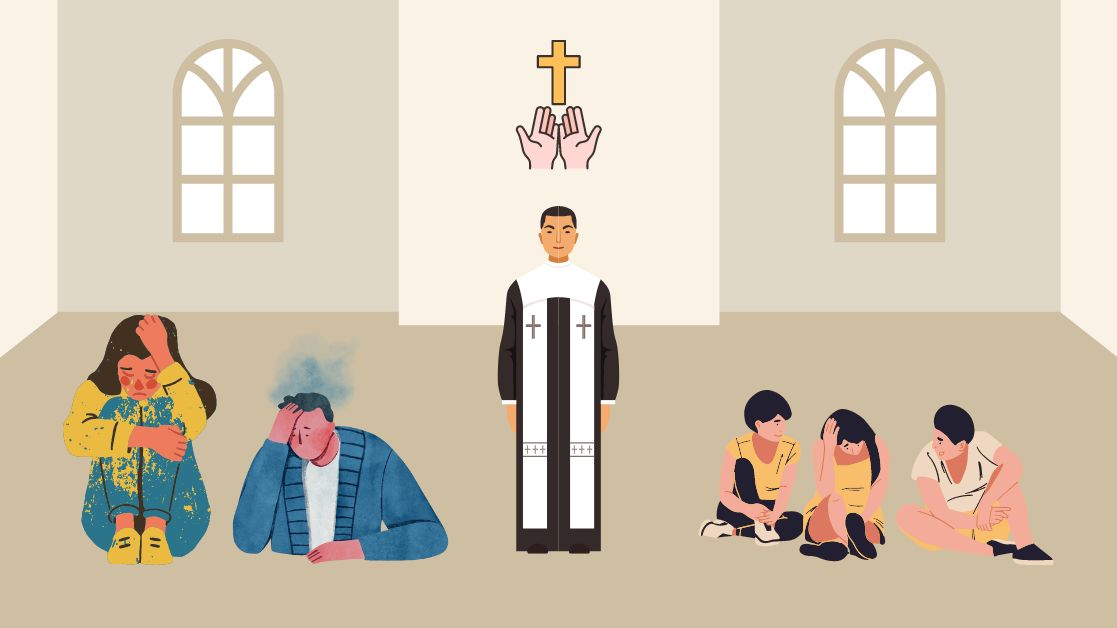
Short answer: No. Depression is not a sin. It is an illness that touches the body, the mind and the spirit, and the Bible never condemns people for suffering it. Faithful men and women in Scripture, including David, Elijah and the psalmists, sank into deep despair, and God met them with care instead of rebuke. If you are depressed, you deserve treatment and kindness, not shame.
In This Article
Many Christians assume that following Jesus should mean steady cheerfulness, so when the heaviness comes they conclude something is wrong with their faith. That belief does a great deal of damage. Depression can make you doubt God, feel far from him, and pull away from the very people who could help. In some churches the stigma makes it even harder to speak up.
If you are thinking about suicide, please reach out now. In the US call or text 988 (988 Suicide & Crisis Lifeline). In Canada call or text 9-8-8 (talksuicide.ca). If you are in immediate danger, call 911.
This article is a pastor's teaching from Scripture, not medical advice. I want to say what the Bible does and does not say about depression, and then say plainly that help from a doctor or counselor is part of how God cares for people.
What Does The Bible Say About Depression?
The Bible does not use the modern clinical word, but it describes the experience with striking honesty. Proverbs names what many people feel in the chest:
Anxiety weighs down the heart, but a kind word cheers it up.
Proverbs 12:25 (NIV)
Notice that the verse offers no condemnation. It describes a weight, and it points to a remedy that comes from other people: a kind word. Jesus speaks to the same kind of exhaustion when he invites people to come to him.
Come to me, all you who are weary and burdened, and I will give you rest.
Matthew 11:28 (NIV)
Scripture is full of people who knew this darkness and were not rejected for it. David pours out his guilt and heaviness in Psalm 32 and Psalm 51. Elijah, after a great victory, runs into the desert and tells God he has had enough (see 1 Kings 19:1 to 18). God does not scold him. He sends food, sleep and a gentle voice. Jonah's despair is recorded in Jonah 4, and the writer of Psalm 73 nearly loses his footing as he wrestles with bitterness. Psalm 88 is a whole prayer that ends in darkness with no neat resolution, and God put it in the Bible anyway.
That last point deserves attention. If God included a psalm that ends without comfort, he is not offended when your prayers sound like that.
Is Depression A Sin Or An Illness?
The old teaching I want to correct is the claim that depression is simply unbelief or hidden sin. God made a perfect world, and when evil entered it, all of creation began to break down. We see that brokenness in our bodies, in disease and in the mind and emotions as well. Mental illness is real, and it is one of the many ways we can see how damaged our world is.
Stress and hard circumstances can contribute to depression, but that does not make it imaginary. Stress also contributes to heart attacks and ulcers, and nobody tells a man with a heart condition that his illness is a moral failure. Depression, like those conditions, calls for treatment, not judgment.
Sin can be tangled into a person's life, as it can be in anyone's. A person can carry guilt that deepens sadness, and confession brings real relief (see Psalm 32:3 to 5). But a depressed person has not sinned merely by being depressed. The condition and the cause are different questions, and neither should be answered with shame. If you are wrestling with guilt as well, read about forgiveness of sin and whether God forgives all sins.
Should A Christian Seek Medical Help For Depression?
Yes, and without embarrassment. Prayer is never wasted, and God can heal both bodies and minds in an instant. But he does not always do so. Often he works through ordinary means, and he has given doctors, counselors and researchers the knowledge to relieve suffering. Using their help is no more a sign of weak faith than wearing glasses or taking insulin.
For many people therapy or counseling becomes an essential part of recovery. It helps a person process painful events and build habits that lower stress and meet obstacles. For others, a doctor may recommend medication. That is a decision for you and your physician, and it is not a measure of how much you trust God. If you are on a prescription, do not stop it because someone at church said you should just pray harder.
It is sad that some believers are harsh toward mental illness. Jesus reserved his strongest words for those who looked devout while judging others, and he showed nothing but tenderness to the hurting. You should never be made to feel ashamed or afraid to speak about this with your church family. A real Christian community is a place where you can say what is going on, ask for prayer, and not be judged. Paul put it simply:
Carry each other's burdens, and in this way you will fulfill the law of Christ.
Galatians 6:2 (NIV)
Can I Live A Normal Life With Depression?
Many people do. Depression can lift with proper care, and many believers go on to serve, work, marry, raise children and worship with joy. For some people it comes in seasons and may return, and for some it is something they manage over many years, the way others manage diabetes or arthritis. I cannot tell you how your own story will unfold, and your doctor is the right person to ask about your situation. What I can say is that the presence of depression does not cancel your calling or your worth.
If you wonder whether it ever goes away, remember that people who have come through it often describe a deeper tenderness toward others and a fuller sense of gratitude. That does not make the suffering good. It means God can bring something living out of it. The writer of the psalms puts the struggle and the hope side by side:
The Lord is close to the brokenhearted and saves those who are crushed in spirit.
Psalm 34:18 (NIV)
He is close even if you are too depressed to pray in complete sentences. God hears the cry of the heart when the words will not come.
What Are The Signs Of Depression, And When Should I Talk To Someone?
I am a pastor, not a physician, so I will keep this general. Common signs people describe include a sadness or emptiness that will not lift, losing interest in things they used to enjoy, changes in sleep or appetite, constant tiredness, difficulty concentrating, and thoughts of hopelessness or of being a burden. Some people notice their mood is heaviest in the morning, and others later in the day. If these have lasted more than a couple of weeks and are affecting your life, please talk to a doctor. This is not a diagnosis, only an encouragement not to wait.
Hopelessness is one of the defining features of depression, and it lies. God invites us to call on him in trouble, as in Psalm 50:15, and the hope of the gospel does not depend on how you feel today. For related struggles, you may find help in my articles on worry, fear and suicide.
Key Bible Verses About Depression
- Proverbs 12:25: anxiety weighs the heart down, and a kind word lifts it.
- Matthew 11:28: Jesus invites the weary and burdened to come and find rest.
- Psalm 34:18: the Lord is near to the brokenhearted.
- Psalm 147:3: he heals the brokenhearted and binds up their wounds.
- Psalm 42:5: the psalmist talks to his own downcast soul and puts his hope in God.
- Isaiah 41:10: God promises his presence and strength to the frightened.
- Romans 8:1: there is no condemnation for those who are in Christ Jesus.
- Galatians 6:2: we carry each other's burdens.
Frequently Asked Questions
What does the Bible say about depression?
The Bible describes despair honestly through David, Elijah, Jonah and the psalmists, and never condemns them for it. Verses such as Proverbs 12:25 and Psalm 34:18 show God's compassion toward the weighed down and brokenhearted.
Can I live a normal life with depression?
Many people do, especially with good care from a doctor or counselor and a supportive community. Depression does not cancel your calling or your worth. Ask your doctor what to expect in your own situation.
Does depression ever go away?
For many people it improves or lifts with treatment and support. For some it returns or needs long-term management. Either way, God is with you in it, and a doctor can guide you on what to expect.
What time of day is depression the worst?
It varies. Some people feel heaviest in the morning and others in the evening. Because that pattern can be a clue, it is worth mentioning to your doctor along with anything else you have noticed.
What are the signs that I might be depressed?
People often describe a lasting low mood, losing interest in things they enjoyed, tiredness, trouble with sleep or appetite, and feelings of hopelessness. If these last for weeks, talk to a doctor. You can also read my article on worry.